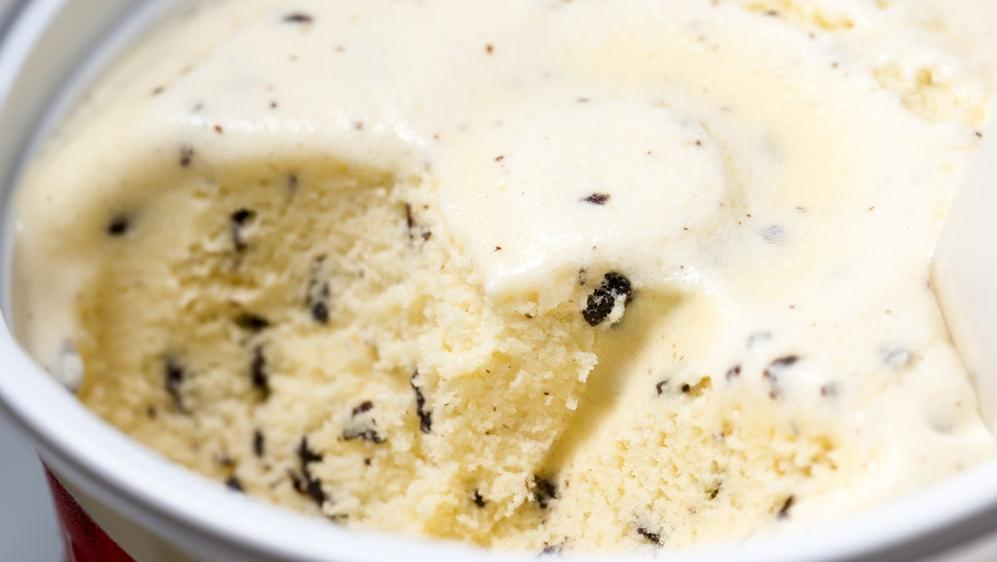
There's a universally acknowledged guilty pleasure: sneaking a spoonful of raw cookie dough directly from the bowl. The rich, sweet, unbaked goodness is an irresistible temptation for many, a nostalgic ritual connected to childhood and home baking. However, traditional raw cookie dough comes with inherent risks, primarily from raw eggs and untreated flour. Enter one of the most brilliant culinary innovations of our time: safe raw cookie dough incorporated into a frozen treat. The result? The iconic and beloved chocolate chip ice cream, a flavor that masterfully combines creamy indulgence with those irresistible, chewy doughy morsels, all without the worry.
This culinary marvel didn't just appear; it was meticulously engineered to provide the ultimate indulgence while prioritizing consumer safety. It's a testament to innovation in the food industry, transforming a simple dessert suggestion into a global sensation that has inspired countless variations and secured its place as a modern classic. Understanding the journey of safe raw cookie dough ice cream means appreciating both its accidental origins and the thoughtful science that underpins its enduring appeal.
The Sweet and Risky Allure of Raw Cookie Dough
Before the advent of safe-to-eat raw cookie dough, the act of sampling the unbaked mixture was always a bit of a gamble. The primary culprits for food safety concerns were two common ingredients: raw eggs and raw flour.
- Raw Eggs and Salmonella: Traditional cookie dough recipes often call for raw eggs, which can carry Salmonella enteritidis bacteria. Ingesting Salmonella can lead to food poisoning, characterized by symptoms like fever, diarrhea, and abdominal cramps. While the risk might seem small, it's a serious enough concern that health organizations worldwide advise against consuming raw or undercooked eggs.
- Raw Flour and E. coli: Less commonly known but equally important is the risk associated with raw flour. Flour is a raw agricultural product and, like many raw ingredients, it can be contaminated with bacteria like Escherichia coli (E. coli) from the field during harvesting. These bacteria are typically destroyed during baking, but when consumed raw, they can cause severe foodborne illness.
The challenge, therefore, was to create a cookie dough that could retain its delicious, unbaked texture and flavor but eliminate these health risks. The solution involved some clever food science: using pasteurized eggs and heat-treated flour. Pasteurization involves heating eggs to a specific temperature for a set time to kill harmful bacteria without cooking the egg. Similarly, heat-treating flour effectively kills any potential E. coli bacteria present, rendering it safe for raw consumption. These vital steps are the unsung heroes behind every spoonful of safe chocolate chip ice cream, allowing us to enjoy the nostalgic taste of raw dough without any of the worry.
A Stroke of Genius: The Birth of a Beloved Flavor
The story of how this iconic flavor came to be is almost as sweet as the ice cream itself. It traces back to 1984, to the humble beginnings of Ben & Jerry's first scoop shop in Burlington, Vermont. Back then, Ben Cohen and Jerry Greenfield encouraged customer interaction, famously featuring a suggestion board where patrons could submit their wildest ice cream dreams.
It was here that an anonymous customer penned a revolutionary idea: why not mix gobs of raw cookie dough into vanilla ice cream? The suggestion was a revelation, tapping into that universal love for the unbaked treat. Ben and Jerry, always keen innovators, embraced the challenge. They embarked on a journey to perfect this novel concept, which wasn't as straightforward as it sounds. The cookie dough needed to be just right—chewy enough to provide a delightful contrast to the smooth ice cream, yet not so hard that it became an icy rock. Crucially, they had to tackle the food safety concerns head-on.
Their solution involved carefully formulating a dough that was delicious and safe for raw consumption, utilizing the principles of pasteurized ingredients and heat-treated flour. Initial test batches were a labor of love, refining the texture and ensuring the dough pieces maintained their integrity when frozen. This dedication culminated in the debut of chocolate chip cookie dough as a limited-edition flavor at their scoop shop. The response was immediate and overwhelmingly positive, solidifying its place in ice cream history. To learn more about this fascinating origin, explore From Scoop Shop to Global Classic: Cookie Dough Ice Cream's Origin.
From Local Legend to Global Phenomenon: The Rise of Cookie Dough Chocolate Chip Ice Cream
What started as a unique, local offering in a Vermont scoop shop quickly became a sensation. The word spread, and demand for this inventive flavor soared. However, it wasn't until 1991 that Ben & Jerry's took the leap and began mass-producing chocolate chip cookie dough ice cream in pints for grocery stores. This move was a game-changer, making the once-exclusive treat accessible to a national audience.
The flavor's popularity exploded. By the mid-1990s, it had launched internationally, captivating palates in the United Kingdom and beyond. Its universal appeal transcended borders, proving that the combination of creamy vanilla ice cream and delightful, safe cookie dough chunks was a winning formula everywhere. As of 2018, annual U.S. sales alone for Ben & Jerry's cookie dough varieties exceeded 1.6 million pints, a testament to its enduring power. This incredible success story highlights how a simple yet brilliant idea, backed by thoughtful execution, can lead to a global phenomenon. For deeper insights into its sustained success, read A Modern Classic: Why Chocolate Chip Cookie Dough Ice Cream Sells Millions.
The success of Ben & Jerry's chocolate chip ice cream inevitably inspired countless imitations and variations. Today, you can find cookie dough ice cream from premium brands, store brands, and even in non-dairy adaptations. These non-dairy versions, often made with oat milk or almond milk bases, ensure that vegan and lactose-intolerant consumers can also enjoy the signature dough chunks, maintaining the core appeal of the original while expanding its reach even further.
Beyond the Scoop: What Makes It a Lasting Favorite?
The enduring appeal of chocolate chip ice cream lies in a perfect storm of factors that go beyond just its delicious taste. It's a masterful blend of texture, flavor, and nostalgia that few other ice cream flavors can match:
- Textural Contrast: The soft, chewy, slightly dense cookie dough pieces provide a delightful contrast to the smooth, cold, creamy vanilla base. This interplay of textures keeps each bite interesting and satisfying, often enhanced by additional chocolate chips or fudge flakes.
- Nostalgic Comfort: For many, it evokes a powerful sense of nostalgia—that forbidden childhood joy of sneaking a taste of raw dough while baking. This connection to happy memories creates an emotional bond with the flavor, making it more than just a dessert.
- Flavor Harmony: The rich sweetness of the cookie dough, with its brown sugar and chocolate notes, perfectly complements the mellow creaminess of the vanilla ice cream. It's a balanced profile that appeals to a wide range of palates.
- Innovation and Safety: The underlying innovation of making raw cookie dough safe is a huge part of its success. Consumers can indulge without worry, knowing that the product has been carefully formulated for their enjoyment and well-being.
Tips for Enjoying Safe Cookie Dough Ice Cream
When choosing your next pint of cookie dough ice cream, or even if you're experimenting with making your own safe cookie dough at home, remember these tips:
- Check Labels: Look for phrases like "safe to eat raw" or "made with heat-treated flour and pasteurized eggs" on store-bought cookie dough or ice cream. This ensures you're getting a product designed for raw consumption.
- DIY Safety: If making your own, always use pasteurized eggs (often found in the refrigerated section near regular eggs or egg substitutes) and heat-treat your flour. You can heat flour in a microwave or oven until it reaches 160°F (71°C) to kill potential bacteria.
- Storage Matters: Like any ice cream, proper freezer storage is key to maintaining quality and preventing freezer burn, ensuring those cookie dough chunks stay perfectly chewy.
The invention of safe raw cookie dough ice cream didn't just add a new flavor to the freezer aisle; it created an entirely new category, redefining what's possible in frozen desserts. It's a testament to how creative thinking and scientific rigor can elevate a simple craving into a globally adored, worry-free indulgence.
Conclusion
The journey of chocolate chip ice cream, from a quirky customer suggestion in a Vermont scoop shop to a multi-million-dollar international phenomenon, is a fascinating narrative of innovation, consumer insight, and meticulous food science. By safely incorporating the once-forbidden delight of raw cookie dough into creamy vanilla ice cream, its creators not only satisfied a universal craving but also set a new standard for dessert. Its blend of irresistible flavor, contrasting textures, and powerful nostalgia ensures that this modern classic will continue to be a top-selling favorite for generations to come, proving that sometimes, the simplest ideas, when executed with ingenuity and care, can indeed change the world, one delicious scoop at a time.
